
Impact
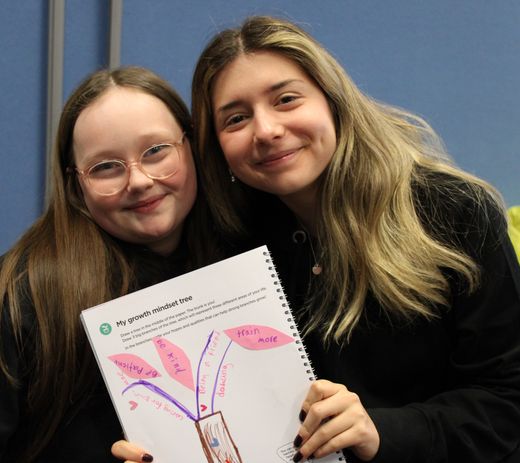
WISE exists to address the high levels of adversity, mental health challenges, anxiety, low resilience, and social isolation that many children face. We work with children in some of the most disadvantaged postcodes in the North East of Glasgow. We recruit and train around 50 volunteer mentors annually, most of whom are university students, who are paired one-to-one with children. Our character mentoring programmes help children to grow in confidence, understand their emotions, and manage their behaviour. This is known to result in improved health outcomes throughout their lives. Since its formation, WISE has grown steadily. In 2025-26, we are delivering weekly mentoring programmes across four partner primary schools in Glasgow, providing in-depth, intensive support to 60 children who attend one-to-one and group mentoring sessions every single week of term time. Alongside this, we run family days, holiday activities, graduate programmes for older children, and enrichment trips that extend wellbeing support beyond the school setting and into the wider community, supporting an additional 100 children and their families annually. Since our formation, we have provided intensive year-long mentoring support to 135 children so far, and additional support through our wider activities to a further 250+ children in the local community.
Family Involvement: Families have been actively involved in shaping our work, particularly through consultations, feedback, and sharing ideas at our family days and community events. This community-driven approach helps ensure that our programmes meet the needs of the children and families we support and fosters a sense of shared ownership in the activities we deliver.
Youth Involvement: Children and young people regularly contribute feedback through evaluations, focus groups, informal conversations, and reflective activities. Previous participants are also invited to become junior mentors, helping to lead activities and support younger children. This ensures that young people are not only beneficiaries of the programme but active contributors to its development.
Schools and Other Organisations: We work closely with local schools to ensure our programmes reach the children who need them most and are integrated into their educational experience. This includes regular communication with teachers, mid-year progress meetings, and sharing updates with parents and carers, so that mentors, schools, and families are aligned in supporting each child.
Stories and Feedback
Feedback from children, mentors, parents/carers, and schools has been overwhelmingly positive, with many highlighting the lasting impact of the programme on children’s wellbeing, confidence, emotional development, relationships, and aspirations. One parent shared:
“My child grew in confidence and believes in himself more. He also has learned to take himself out of difficult situations and react better.”
The impact of the programme was also recognised by schools. One headteacher shared:
“This was the group we were most concerned about because their resilience was the lowest in the school, but the transformation was remarkable. I’ve never seen such significant growth in emotional regulation and resilience over a year.”
One example of this impact was a Primary 7 child who had been scared of public speaking and nervous about high school. Over the course of the year, he opened up to his mentor about his struggles, developed his confidence and resilience, and at the end of the programme stood up in front of the school and parents to give a speech thanking the mentors. He shared that the programme had helped him grow and that, although he had previously felt nervous about high school, he was now excited to go.
At one graduation ceremony, another child thanked their mentor by saying, “You made me feel loved.”